Joanne Natale Spigonardo
July 30, 2025
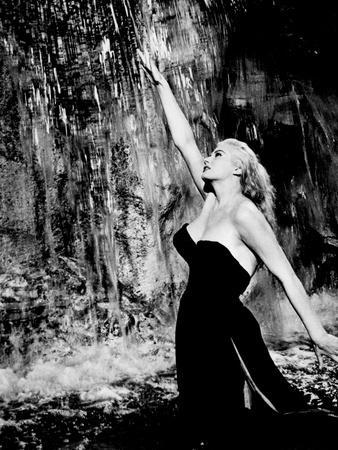
“La Dolce Vita”, directed by Federico Fellini is my favorite film of all time. I think I’ve watched it about 20 times. The first time I saw it was with my Mom. We would go to the Italian movie theater in South Philadelphia most Sundays. It was released in 1960, it follows Marcello Rubini, a gossip journalist in Rome, through a series of episodes over seven days and nights.
The film portrays Marcello navigating the city’s glamorous yet ultimately empty “sweet life” of high society parties, celebrity encounters, and fleeting romances, while struggling with his aspirations to become a serious writer. La Dolce Vita set the pace for fashion trends in the early 60’s, with the sophisticated elegant styles of Roman fashion.
Key themes explored in the film include the emptiness of pleasure, and good times, the search for meaning in a material world, and the impact of a burgeoning mass-consumer culture on post-war Italian society. The beautiful music throughout the film, has a melancholy tune that underlines the message of the film about a superficial lifestyle.
The iconic scene featuring Anita Ekberg in the Trevi Fountain symbolizes the film’s depiction of a glamorous yet ultimately shallow existence. The film also introduced the term “paparazzo” into the English language, referring to intrusive photojournalists, a reflection of the media’s influence on society that is depicted in the film. Media and how we are perceived in it is prevalent and how this perception distorts reality.
Throughout the film, Marcello faces moments of decision, including a brief encounter with a young girl (Paola) who represents a simpler, more innocent life, but he ultimately continues down the path of decadence and emptiness. The film’s conclusion, with Marcello unable to connect with Paola and returning to the party lifestyle, suggests his ultimate failure to find true meaning or fulfillment.
“La Dolce Vita” is considered a landmark film in cinema history for its stylistic innovation and exploration of contemporary societal issues, and it continues to resonate with audiences today due to its depiction of timeless themes about the human condition and the search for happiness and identity. I’m sure that I will continue to watch it again and again.
About the Author:

Joanne Natale Spigonardo has many years of experience in travel to Italy, Italian art, music, literature, film, history, wine, and cuisine. She is a lover of nature and beauty. She is an advocate for Italian immigrant women, and the author of White Widow, which is available on Amazon. https://www.amazon.com/White-Widow-Joanne-Natale-Spigonardo/dp/B085DT65DB. For more information about Joanne please visit her LinkedIn page: https://www.linkedin.com/in/joanne-spigonardo-b4824a9/.
 Hidden Treasures of Italy