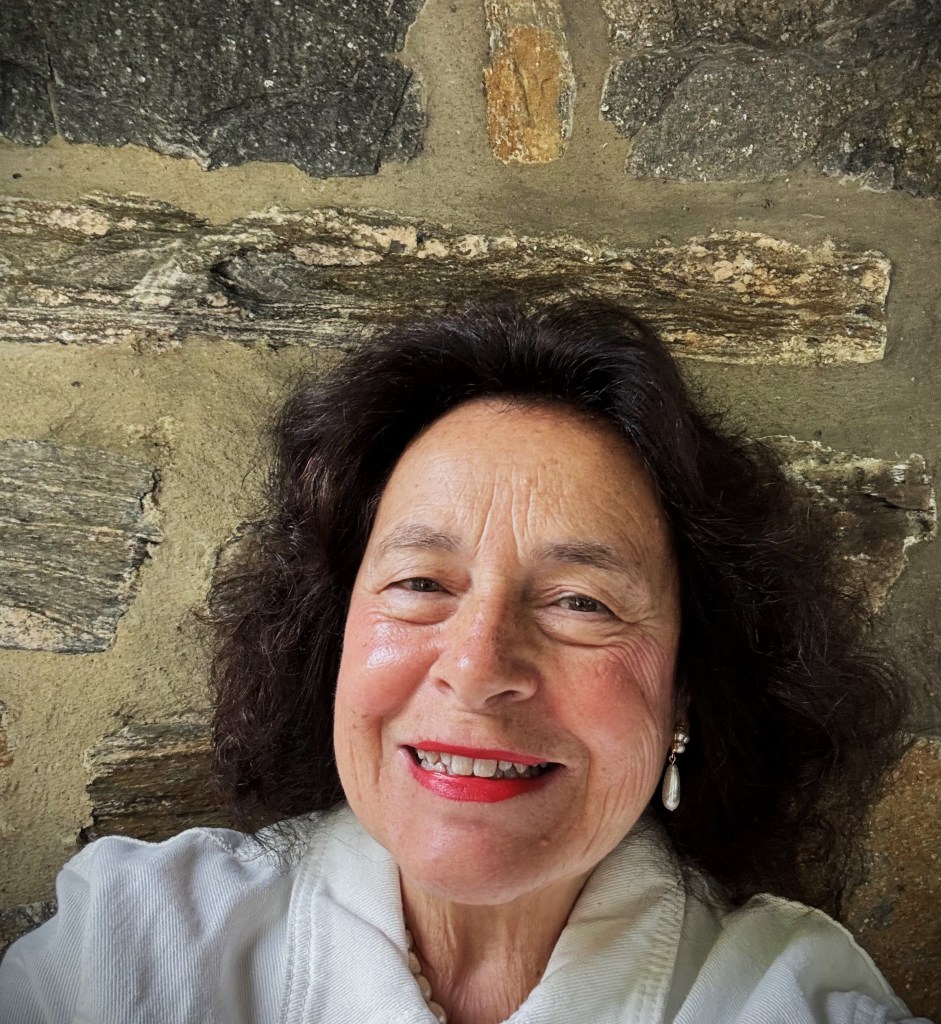
Joanne Natale Spigonardo
August 13, 2026
My memories of Augusts past are a cumulation of my childhood in Southwest Philly with my Italian family and American friends, as well as, the many August days I spent in Italy throughout my life.
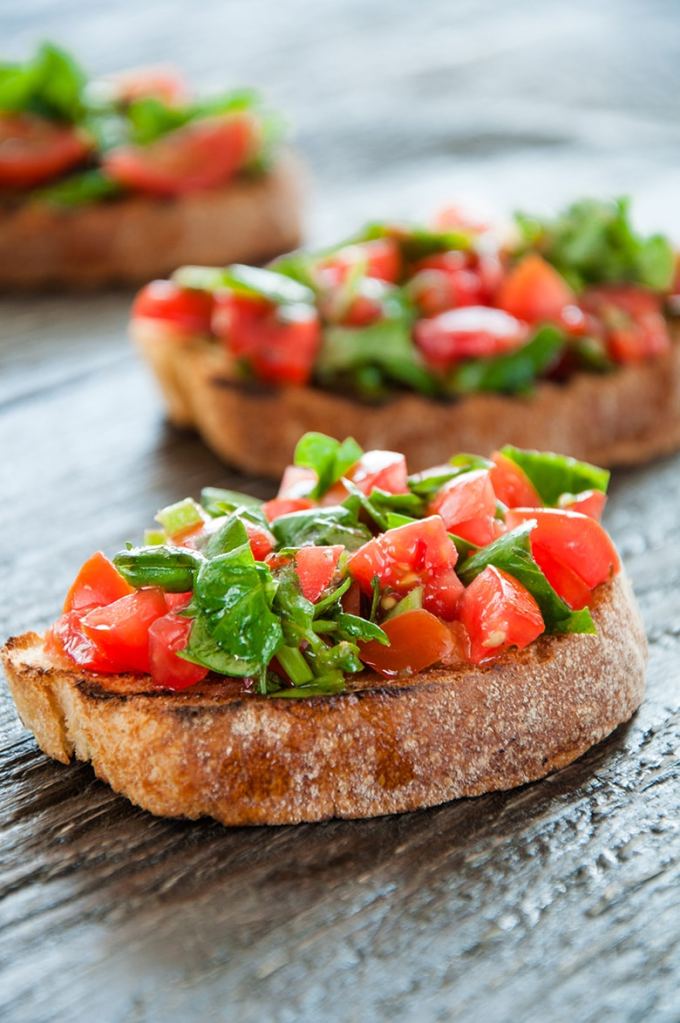
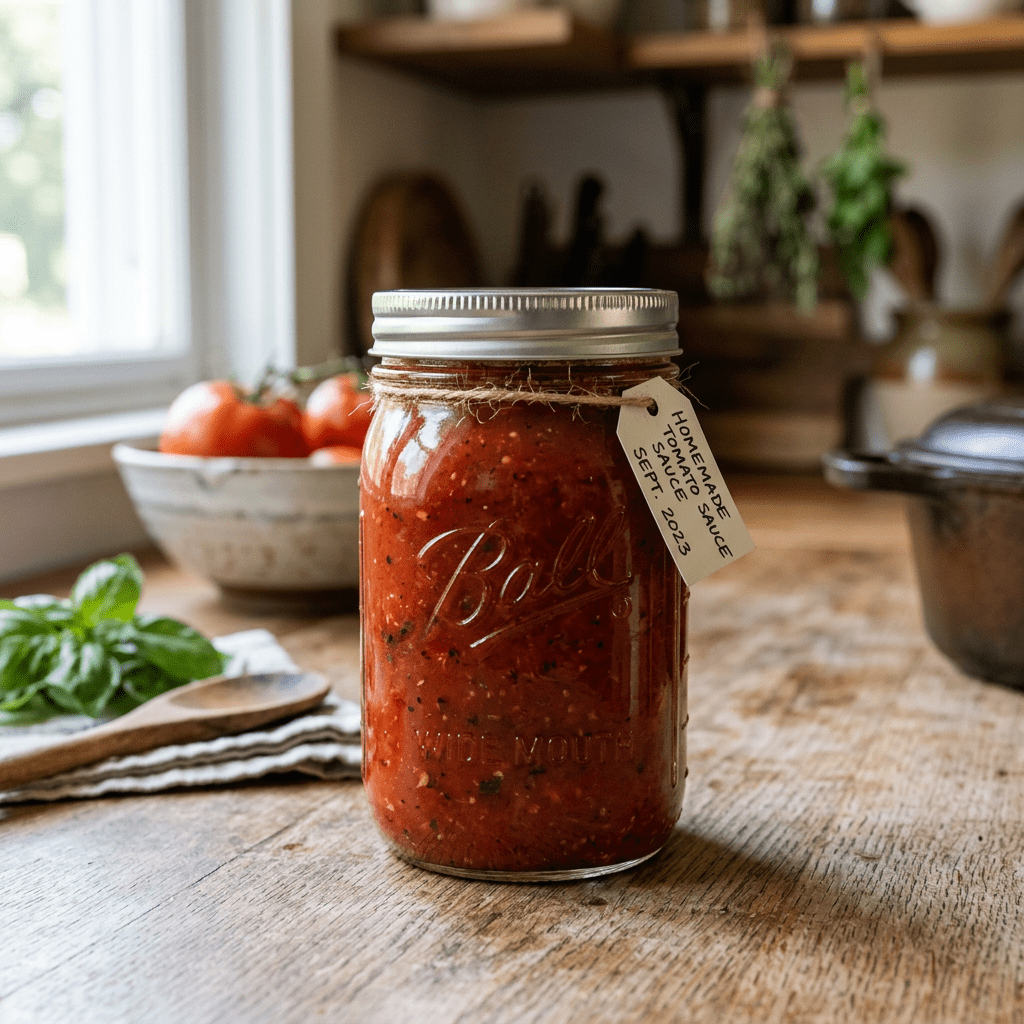
As a little girl in Philly I spent many August days just waiting for the Mister Softee truck to come by, or the even more enticing truck, that came around in the evening with a fantastic ride, the wonderful whip. I remember the hucksters from Jersey on early Saturday mornings selling the most wonderful tomatoes in the alley in back of my house. Those same tomatoes were soon to become sauce that my Mother, Sister, Father, and I would jar for days. It was a ritual, we never ate canned tomatoes, the sauce my mother made was also so scrumptious, and it was because of the fresh tomatoes. I can still taste it in my dreams.
Those August days in Southwest Philly were filled with screaming and joyful children under the fire plug, there were few families that had air conditioning. Fun under the fire plug would cool us off, and we even had time for water balloons. There was always a visit to Mrs. Fagan’s candy store for dozens of penny candies for our purchase. In the evenings we would sit on the step with neighbors, telling stories, lots of jokes, and endless games of pinochle. The highlight was mostly the carnivals that were either at Saint Barnabas, Our Lady of Czestochowa, and the finest Italian festival at our Lady of Loreto.
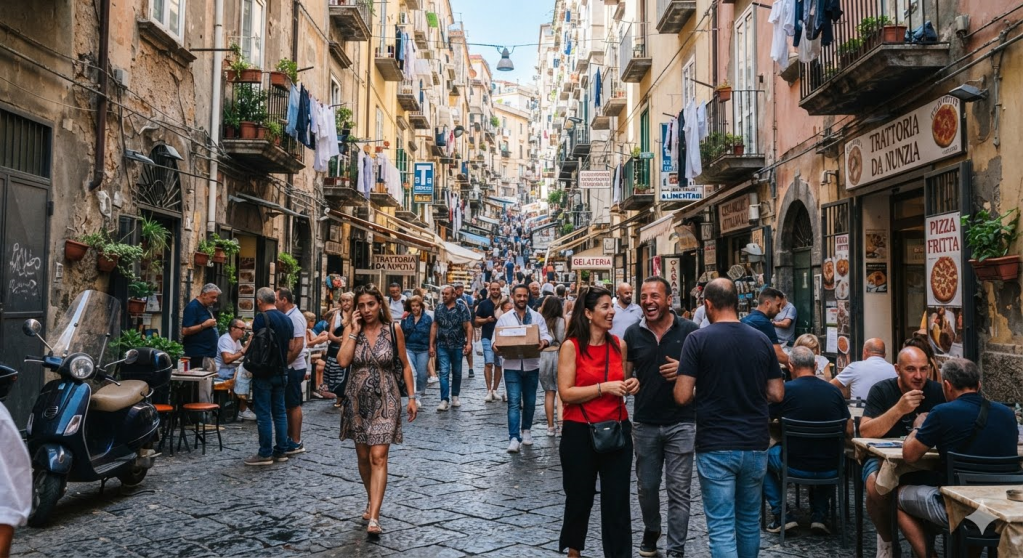
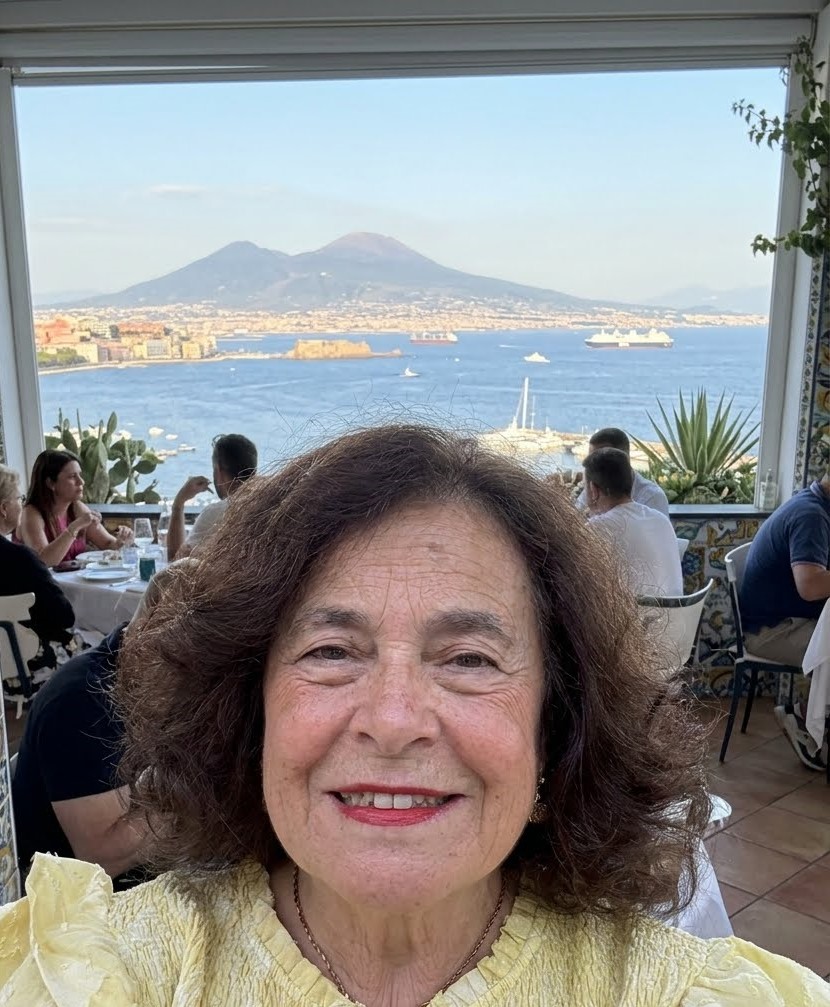
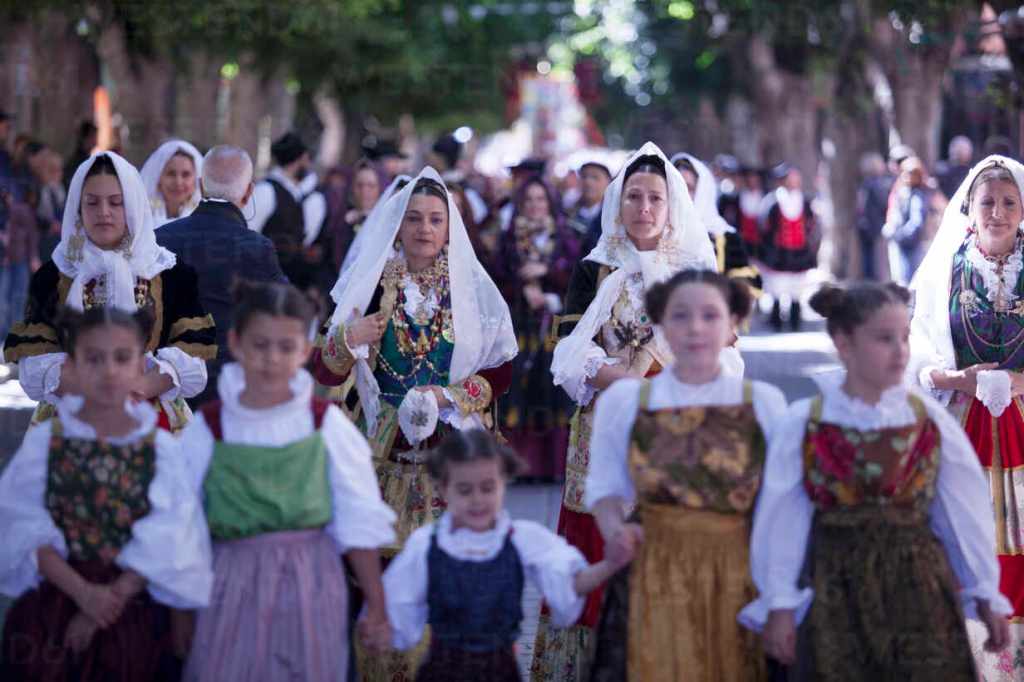
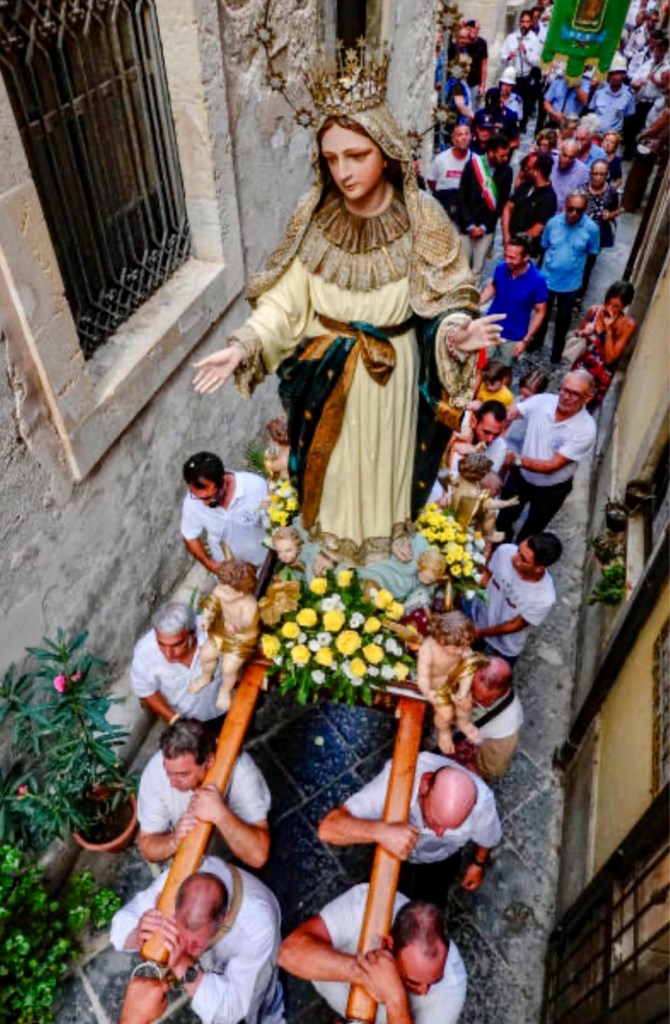
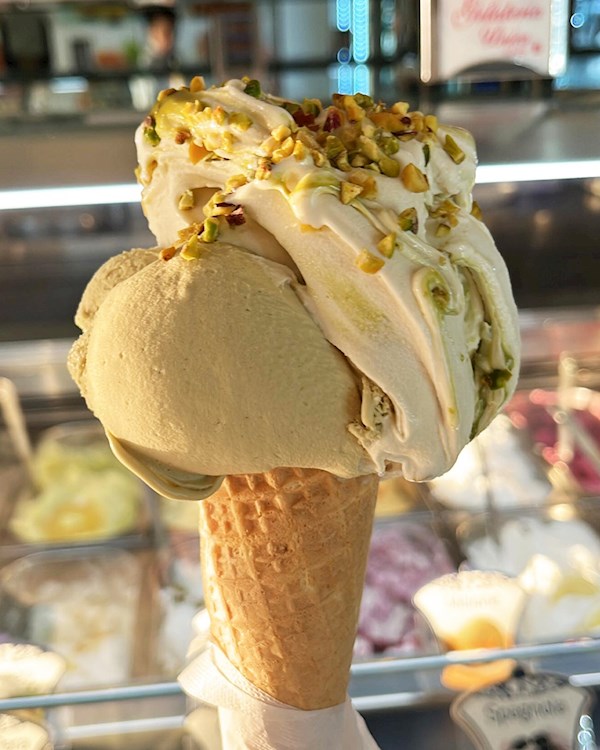
My childhood memories in Italy were poignant and all about the Feast of the Assumption on August 15 in my hometown of Nusco. It started with a procession to the small church in the country of La Madonna Dell ’Assunta. We fasted before Mass and brought a picnic or la scampagnata for after church which we enjoyed with our family and friends in the fresh country air. The mid-afternoon meal was sumptuous, as this feast day is one of the most important ones in Italy. Delicacies like cavatelli, roasted meats, eggplants, peppers, and lots of luscious cheeses, were some of the treats I remember. My August days in Italy were about getting gelato, one at 11AM and one a 7PM. August constituted two gelatos a day, my favorite was and still is pistachio. The evenings had vendors in the square with sliced watermelons for 10 lira a piece, and those beautiful and tasty hazelnut necklaces. The night was an illumination with spectacular fireworks.
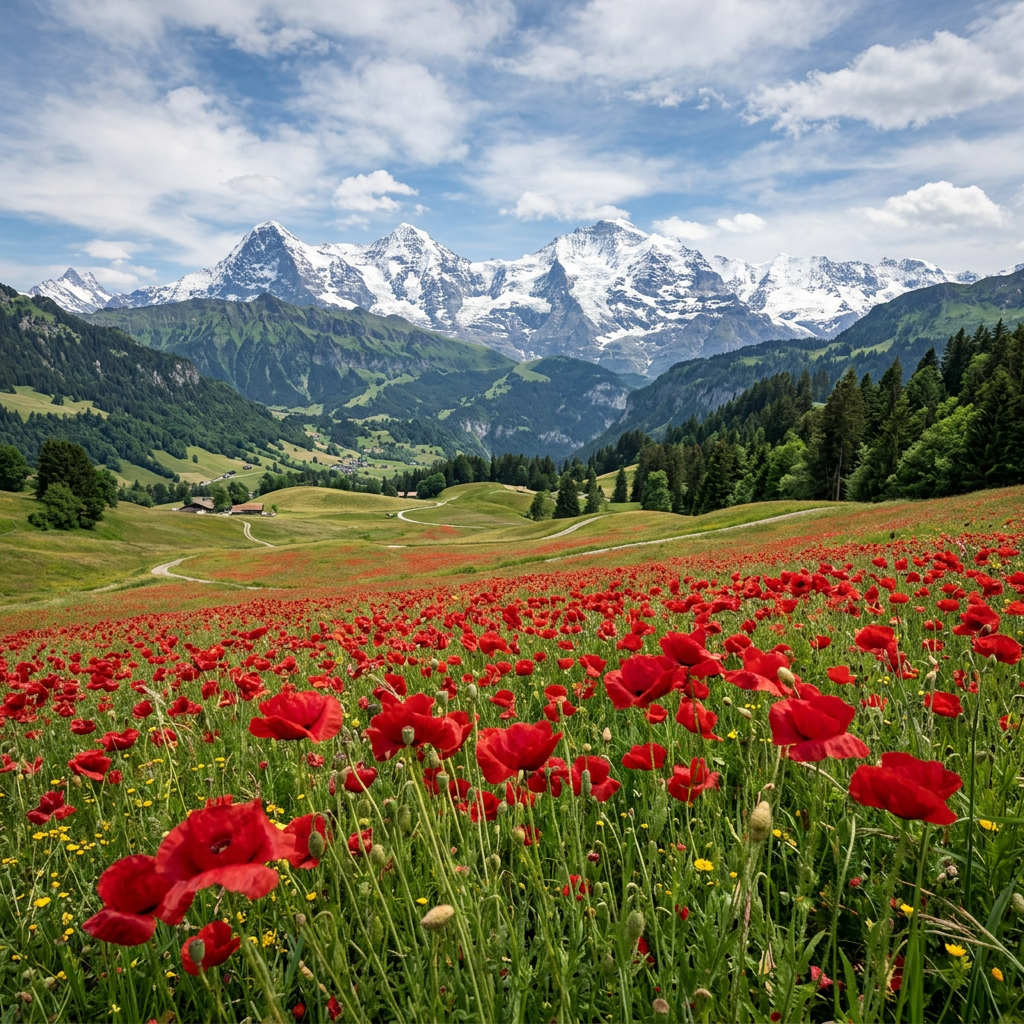
Memories of my hometown are so vivid and of the reddest poppy fields with the background of snow topped mountains on even the hottest August days. I’m thinking about the mini skirt I wore as a teenager in Italy which was frowned upon by all the old ladies in the village, but I still wore it, so surprised that my Nonna didn’t stop me, I think she secretly loved it. I can’t believe I’m an old lady now, una signora vecchia. Really though, I’m always going to be young at heart. Sempre giovane in cuore!
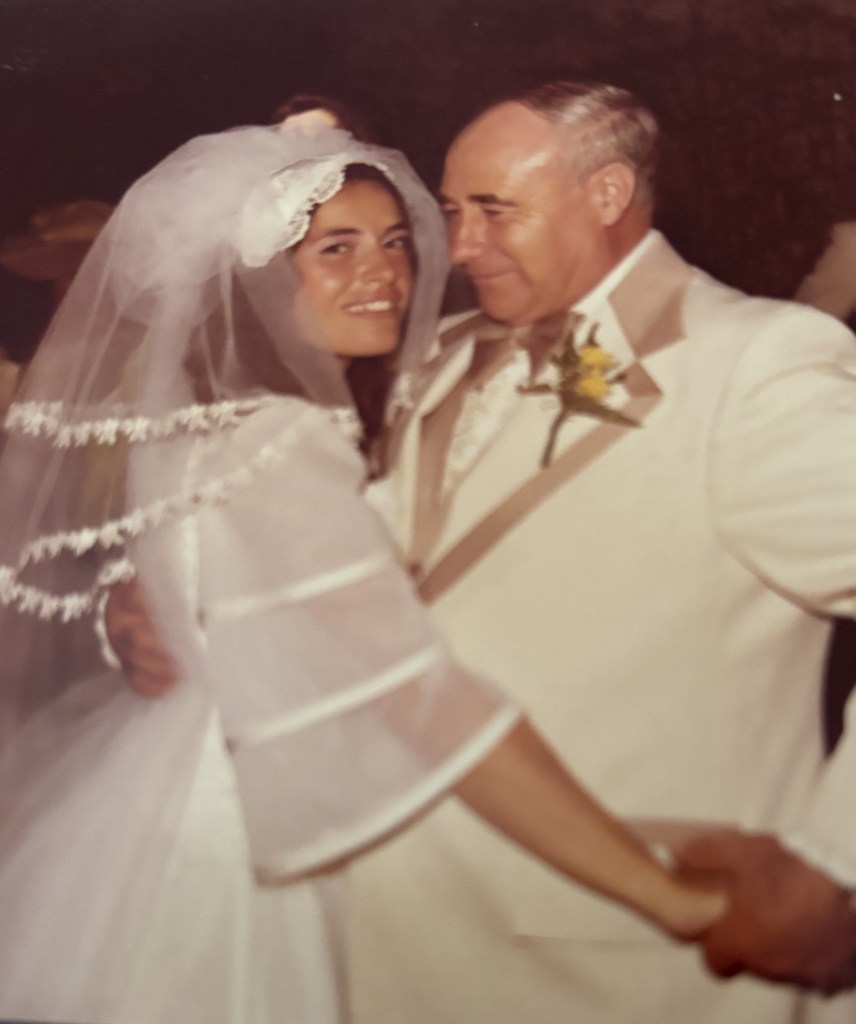
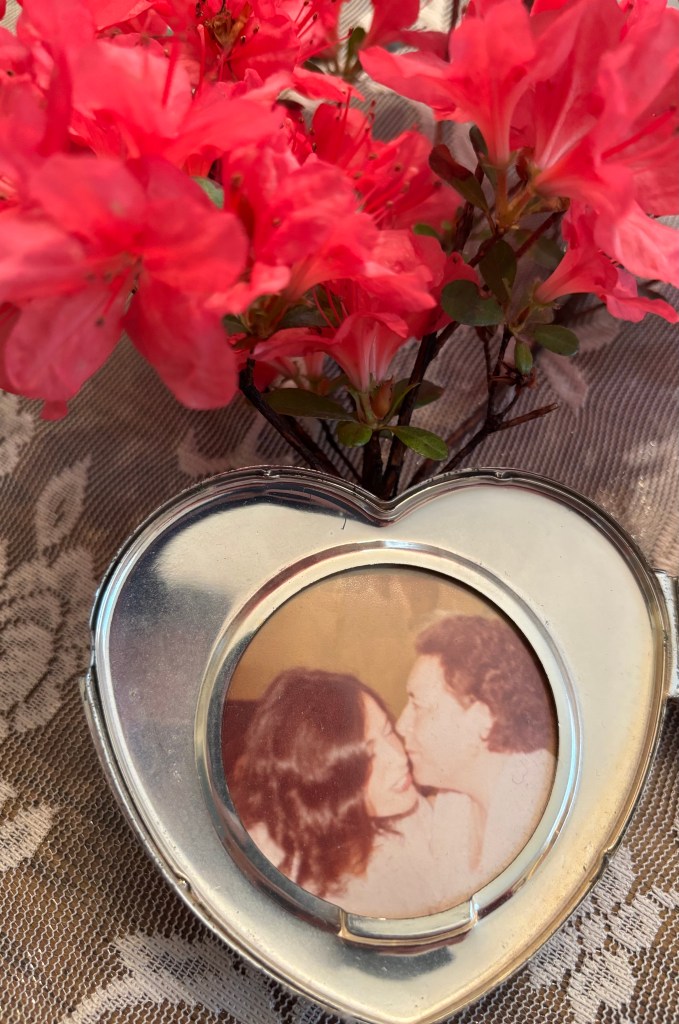
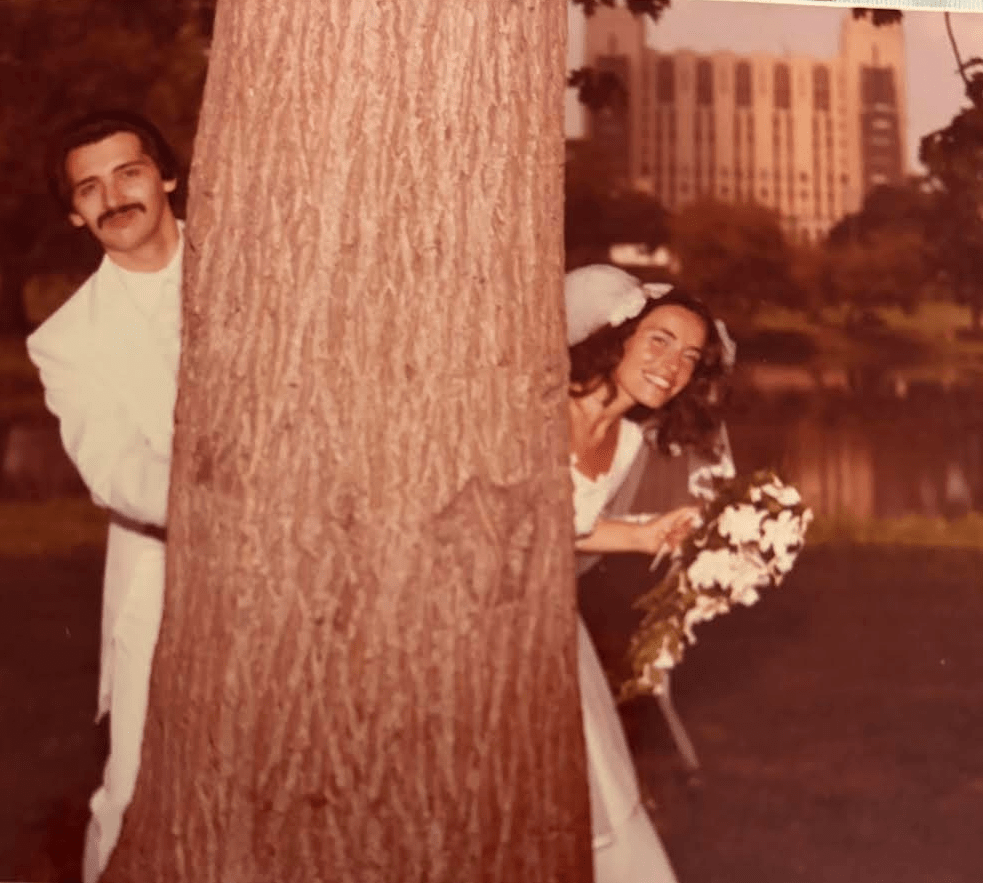
August is a special month filled with special memories for me, and is the month, Francesco and I became sposi, we are still sposi after 48 years. Our August wedding day in 1978 was the hottest day of the year, but the heat did not stop us from taking pictures and frolicking at the Lakes in South Philly. It was a beautiful day with lots of bees and butterflies.
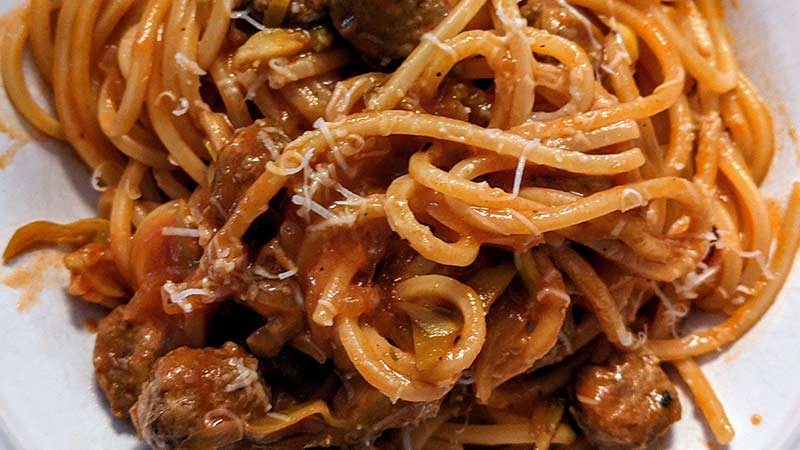
A fond memory is of an August vacation in Abruzzo when we had an amazing picnic with our cousins, I remember cooking pasta outdoors on the open fire, and mixing four different sauces into one, our aunts were all bickering about whose sauce was best, so we decided just to mix them all. It was the most delicious pasta I ever tasted on that sunny and breezy summer day at La Maiella and La Fara San Martino.
Recently August days in 2026 have also been wonderful, with family parties, barbeques, and lots of ice cream with my grandchildren, these are the best days ever. Spending time with the people we love. This August day, I’m savoring all those memories and have tremendous gratitude to God for all my blessings, so many in America and so many in Italy.
Wishing you God’s Blessings for your August days ahead, and Happy Feast of the Assumption and Ferragosto!
About the Author
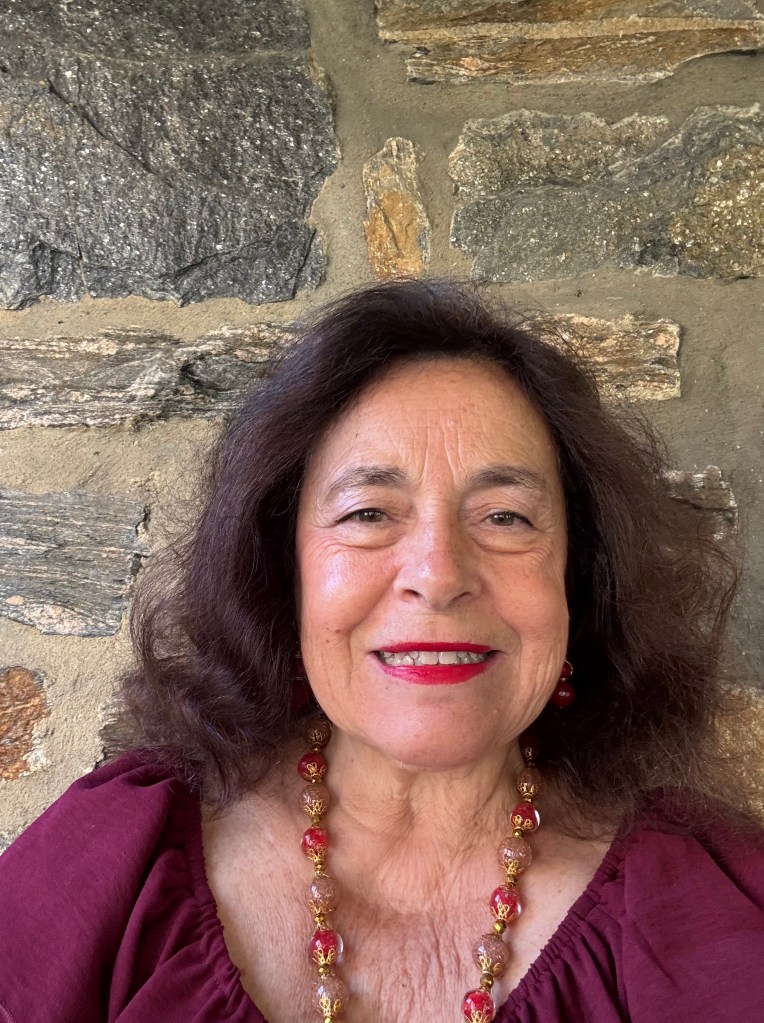
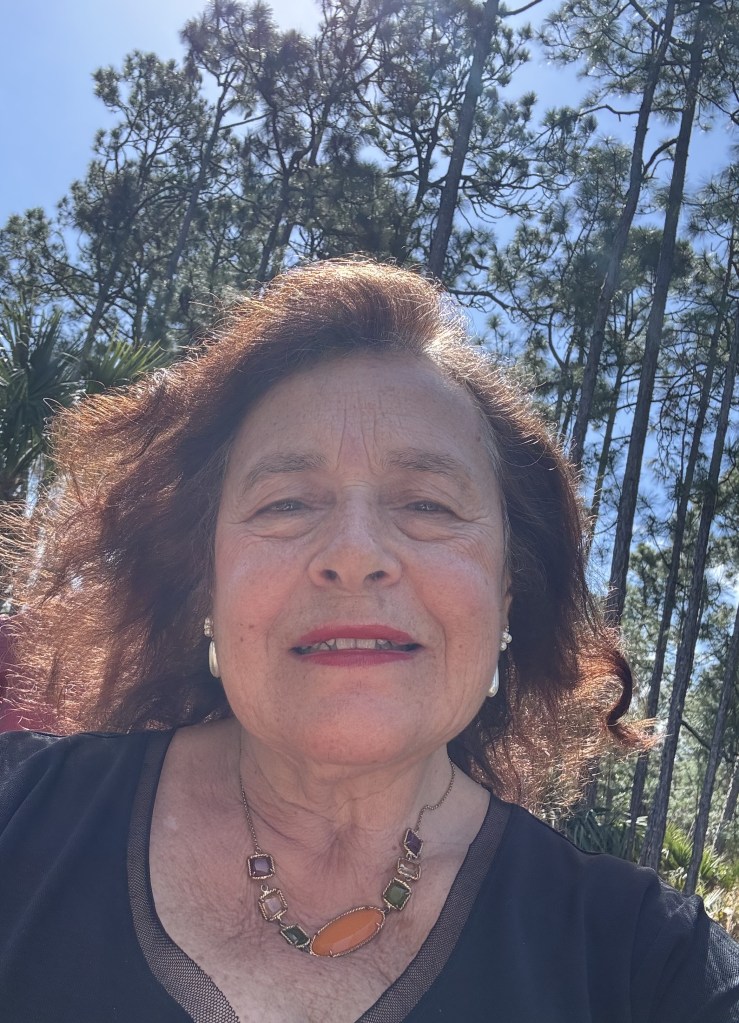
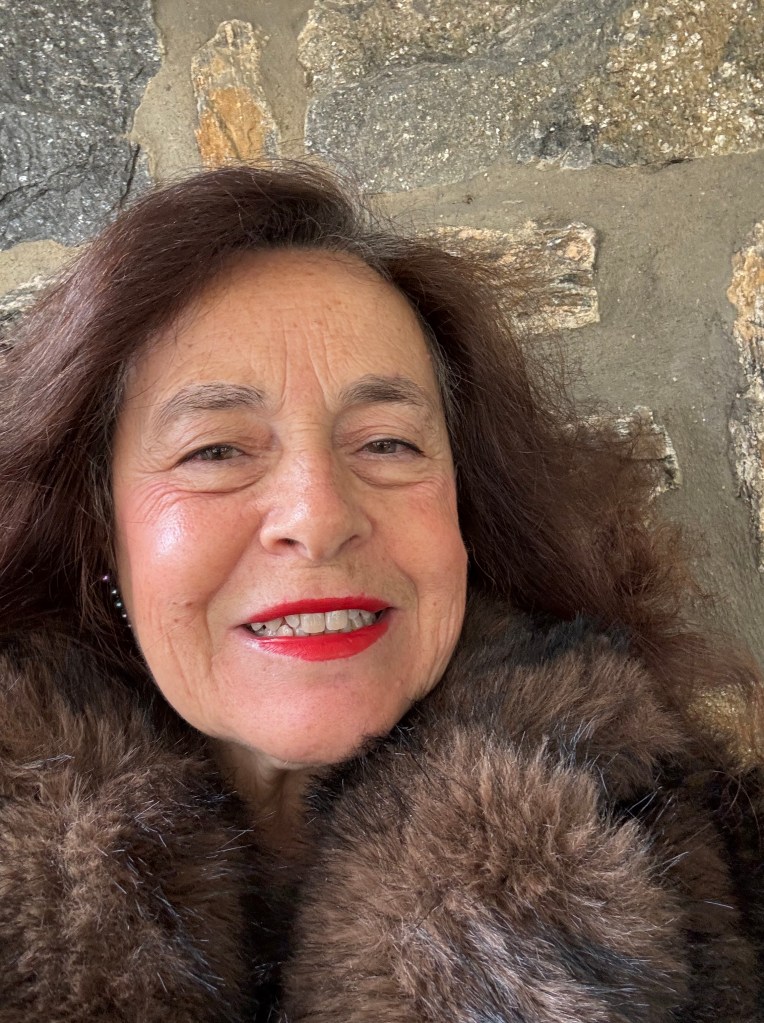
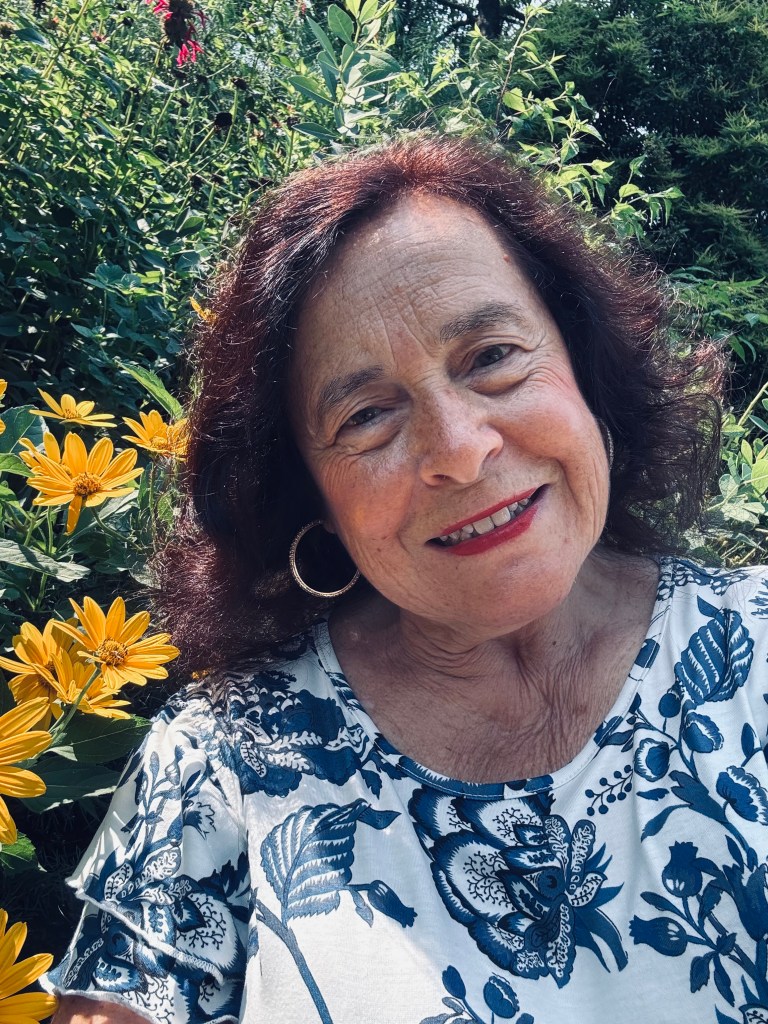
Joanne Natale Spigonardo has many years of experience in travel to Italy, Italian art, music, literature, language, film, history, wine, and cuisine. She is a lover of nature and beauty. She is an advocate for Italian immigrant women, and the author of White Widow, which is available on Amazon.https://www.amazon.com/White-Widow-Joanne-Natale-Spigonardo/dp/B085DT65DB. For more information about Joanne please visit her LinkedIn page: https://www.linkedin.com/in/joanne-spigonardo-b4824a9/