
Joanne Natale Spigonardo
November 1, 2025
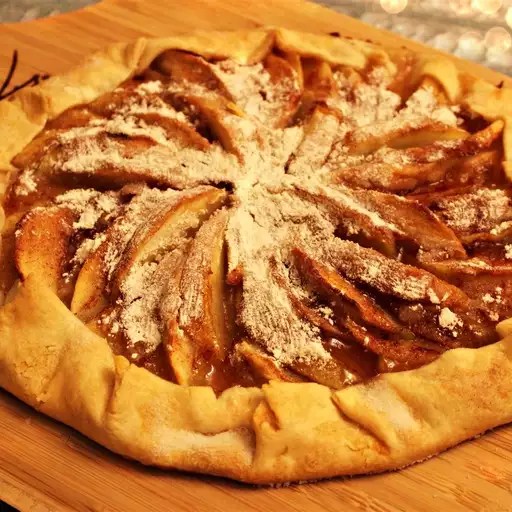
I have never had the pleasure of being in Italy on All Saints’ Day, but it is definately a bucket list item for future travels. As a little girl in Sountwest Phillly, we celebrated by attending Mass, and having family and friends to our home for dinner. We enjoyed Halloween the night before, and continued our festivities with a 5 course dinner and with many sweets for dessert on All Saints Day. The typical dessert my Mother would prepare was crostata di mele, a fantastic apple tart, as well as, the ever fabulous zepole.
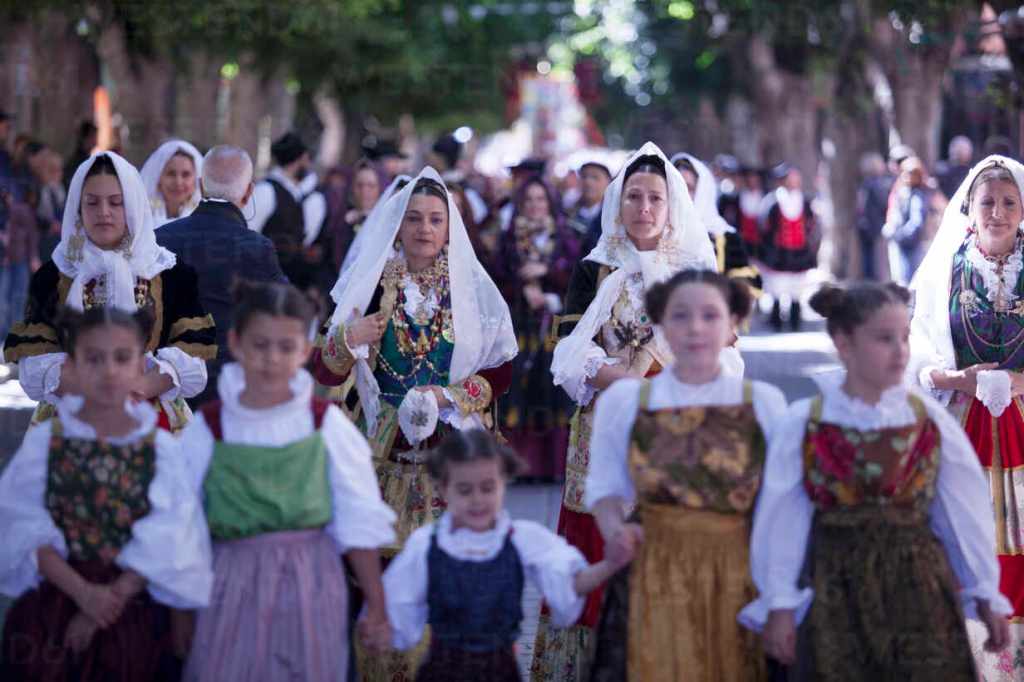
All Saints’ Day, known in Italy as Ognissanti or La Festa di Ognissanti, is a deeply significant national public holiday celebrated annually on November 1st. This solemn yet festive day is dedicated to honoring all the saints and martyrs of the Catholic calendar, both known and unknown. Its origins trace back to the early Christian Church, eventually being designated a universal feast day on November 1st by Pope Gregory III in the 8th century to commemorate the vast number of saints. Most businesses, schools, and government offices close, allowing families across the country to participate in religious services and family-oriented activities. Today, in many villages, a parade of saints is a beautiful tradition on All Saints Day. Women and children dress up as saints or in traditional fashions.
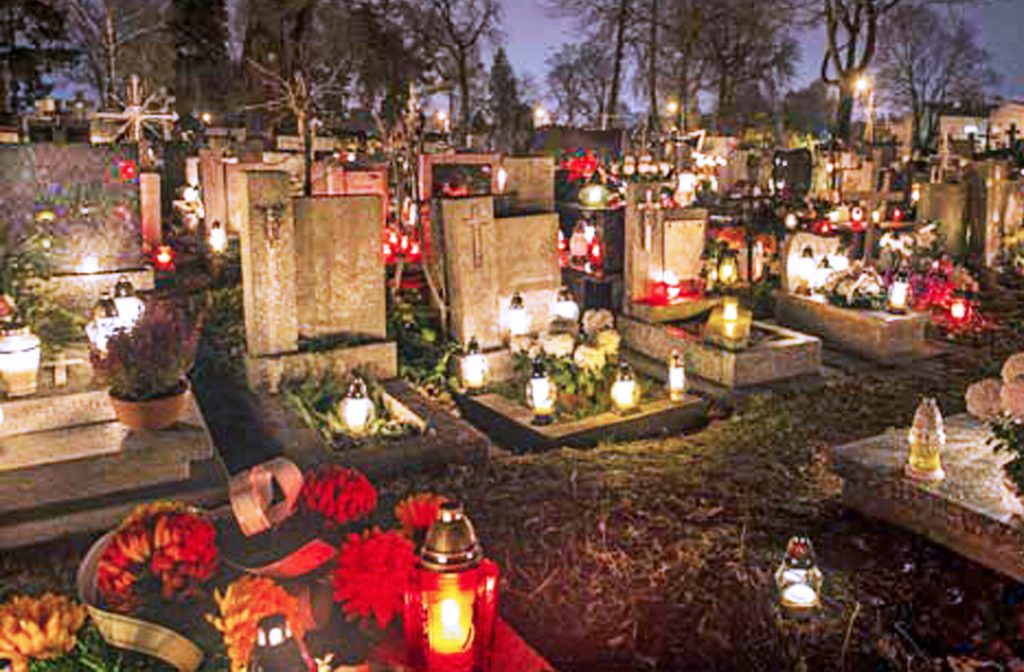
The holiday is intrinsically linked with the following day, November 2nd, known as Il Giorno dei Morti (All Souls’ Day or Day of the Dead), which is dedicated to remembering and praying for deceased loved ones. While All Souls’ Day is not a public holiday, the two days together form a period of profound remembrance and reflection on family, heritage, and the cycle of life. The most widespread and unifying tradition is the family visit to cemeteries, where Italians tend to and adorn the graves of relatives and friends with fresh flowers, most notably chrysanthemums, which are the traditional flowers of mourning and remembrance in Italian culture. Today our family honors our deceased by visiting the graves of our beloved family and friends on November 2nd.
Regional traditions add a rich layer of diversity to the celebrations. In some areas, such as Piedmont and Valle d’Aosta, families maintain the ancient custom of setting extra places at the dinner table or leaving food and water out overnight for the spirits of the deceased who are believed to return for a visit. In Sicily, children receive special sweets, such as Frutta Martorana (marzipan shaped like fruits) or sugar statues, traditionally left by their deceased relatives as a sign of continuity and love.

As we begin the holiday season and move toward Thanksgiving and Christmas, let us enjoy our early November holidays, by celebrating all the beautiful saints of Italy, and by remembering our beloved deceased. There is so much meaning to these timeless traditions, that deepen our love for the saints, and for all of our family and friends in Heaven.
About the Author

Joanne Natale Spigonardo
Joanne Natale Spigonardo has many years of experience in travel to Italy, Italian art, music, literature, film, history, wine, and cuisine. She is a lover of nature and beauty. She is an advocate for Italian immigrant women, and the author of White Widow, which is available on Amazon. https://www.amazon.com/White-Widow-Joanne-Natale-Spigonardo/dp/B085DT65DB. For more information about Joanne please visit her LinkedIn page: https://www.linkedin.com/in/joanne-spigonardo-b4824a9/.
 Hidden Treasures of Italy