Joanne Natale Spigonardo
April 4, 2026
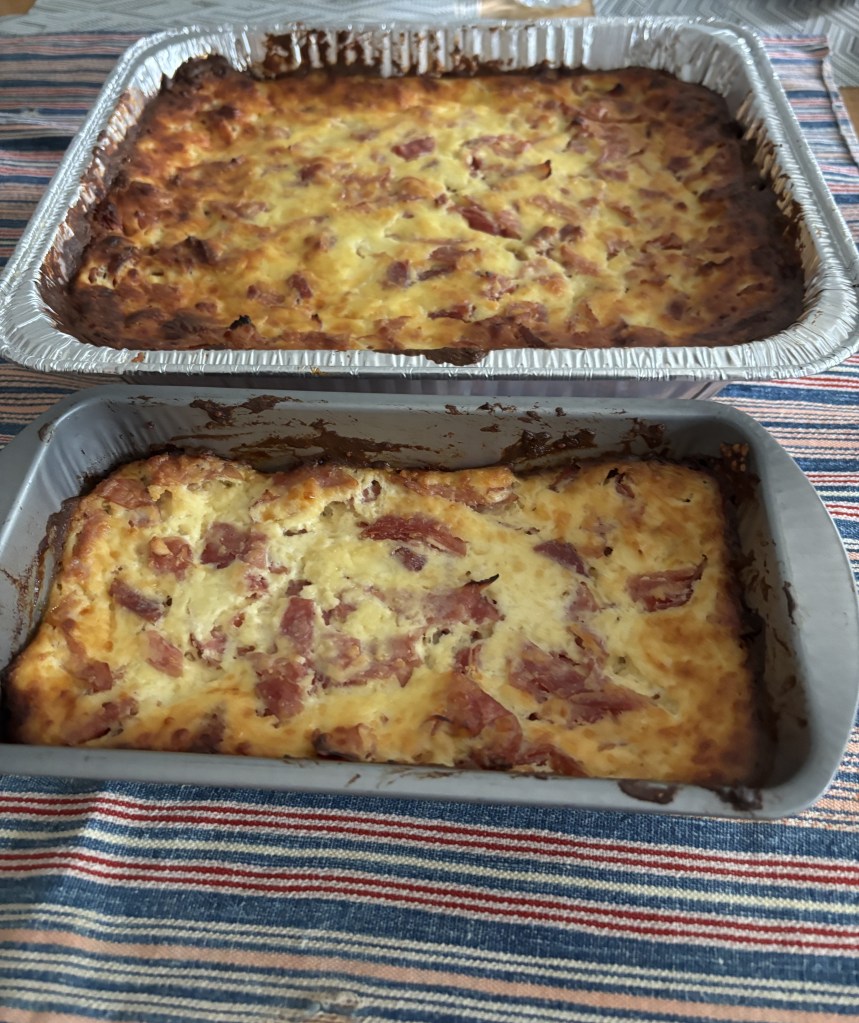
One of my fondest memories as a young girl was making la Pizza Ripiena at Easter with my Mother. It was a tradition to make it on Holy Thursday. My Mother would make dozens of them and then distribute them to our neighbors. We would wait until 12:01pm on Holy Saturday, when my mother would be satisfied that Lent was over, to eat it. We had a wonderful lunch every Holy Saturday, I will never forget that special day, we had the most sumptuous antipasto tray that included the Pizza Ripiena, and other fabulous Easter treats. I still make Pizza Ripiena every year and I make the sign of the cross before I bake it. That’s what my Mother did, asking for God’s Blessings, and thanking Him for them. My pie is usually good but never as good as my Mom’s. Maybe I should pray more!
The Pizza Ripiena Rustica di Pasqua, commonly known as Pizza Rustica or Italian Easter Pie, is a profoundly rich, savory pie that serves as the centerpiece of Southern Italian Easter celebrations. Tracing its origins back to the 17th-century Campania region, particularly Naples, this dish was designed as a celebration of abundance, marking the end of Lenten fasting. It is part of the Easter message, utilizing dairy, eggs, and cured meats to break the forty-day fast with a resurrection of forbidden, rich foods. The basket cheese is really an essential part of this pie – this is only available at Easter. I ordered mine from Centrella’s on Brookline Blvd. in Havertown. You must use the Easter basket cheese for the pie to be authentic.
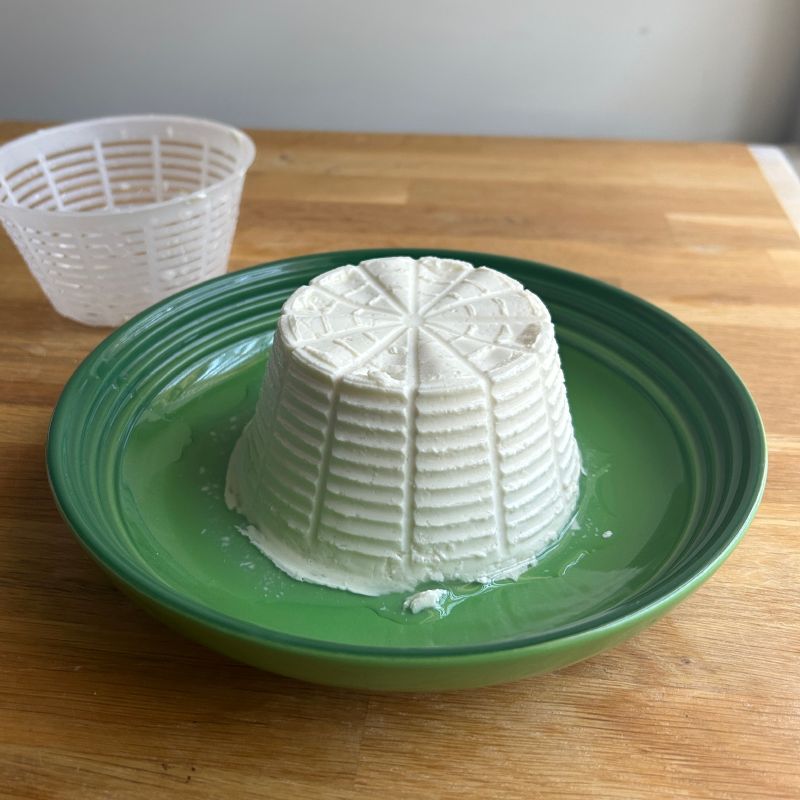
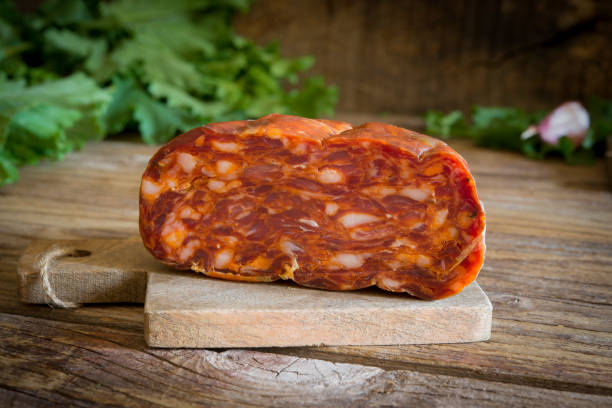
The history of Pizza Rustica is intertwined with the religious traditions of the Catholic Church. Historically, the Lenten season required strict abstinence from meat, dairy, and animal fats. As a result, the days leading up to Easter Sunday were marked by a surplus of these forbidden items in many kitchens. Neapolitan cooks developed this pie as a practical, yet celebratory, solution to use up ingredients that would otherwise go to waste. By stuffing cheeses (fresh basket cheese, ricotta, parmigiano) and various cured meats (sopressatta, prosciutto, salami, capicola) inside a sturdy pastry crust, they created a hearty dish that could sit for days—usually prepared on Holy Thursday or Good Friday and enjoyed on Holy Saturday or Easter Sunday.
While it originated in Campania, the tradition spread throughout Southern Italy, leading to numerous regional names and variations. Pizza Chiena (or Pizza Gain/Pizzagaina): Common in the Neapolitan dialect, meaning “full pie” or stuffed pizza. Torta Pasqualina is popular in other regions, emphasizing its nature as an Easter cake/pie. The filling varies between households, and regions of Italy, but usually showcasing the rustic nature of the dish. Some versions use a creamy mixture of basket cheese, ricotta and eggs, while others feature layers of hard-boiled eggs, sausage, and cured meats.
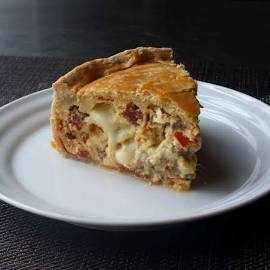
As Italian immigrants moved to North America, they brought the tradition with them, cementing it as a staple of Italian American Easter celebrations, often adapting the ingredients to what was available, such as ham and pepperoni. Whether it is called Pizza Rustica, Pizza Chiena, or Pizza Ripiena, this dish remains a celebratory, scrumptious, and historical testament to the end of fasting and the joy of the Easter season. The true message here, is to build traditions with your families, to pass down century-old recipes that are unique, but also build new memories, and honor those who taught us to make them, especially la Pizza Ripiena.
Buona Pasqua!
About the Author

Joanne Natale Spigonardo has many years of experience in travel to Italy, Italian art, music, literature, film, history, wine, and cuisine. She is a lover of nature and beauty. She is an advocate for Italian immigrant women, and the author of White Widow, which is available on Amazon. https://www.amazon.com/White-Widow-Joanne-Natale-Spigonardo/dp/B085DT65DB. For more information about Joanne please visit her LinkedIn page: https://www.linkedin.com/in/joanne-spigonardo-b4824a9/.
 Hidden Treasures of Italy