Joanne Natale Spigonardo
November 9, 2026
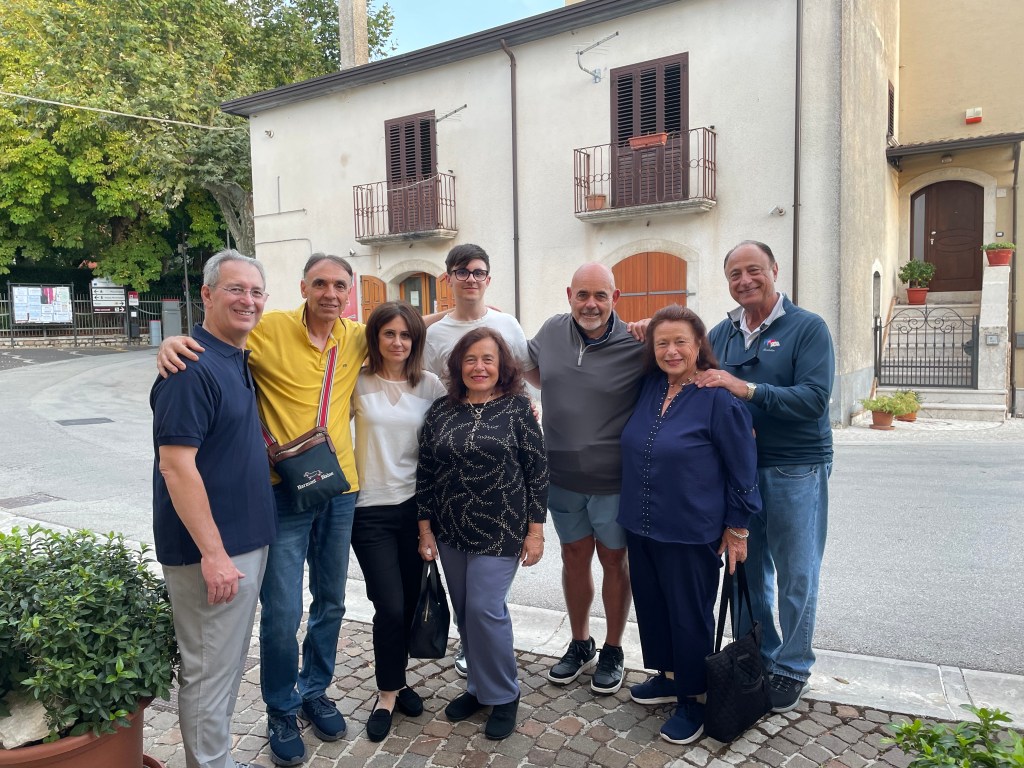
When my husband Francesco and I retired in 2020, we hoped to travel and go back to our hometowns in Italy. Overwhelming circumstances with the outbreak of Covid, and then our personal health issues kept us from a bucket list dream trip. We were fortunate this fall, to fulfill our dream trip to my hometown, Nusco, as well as a visit to Francesco’s hometown, CastelFrentano. We also had a fabulous tour of Calabria and a visit to Rome mixed in.
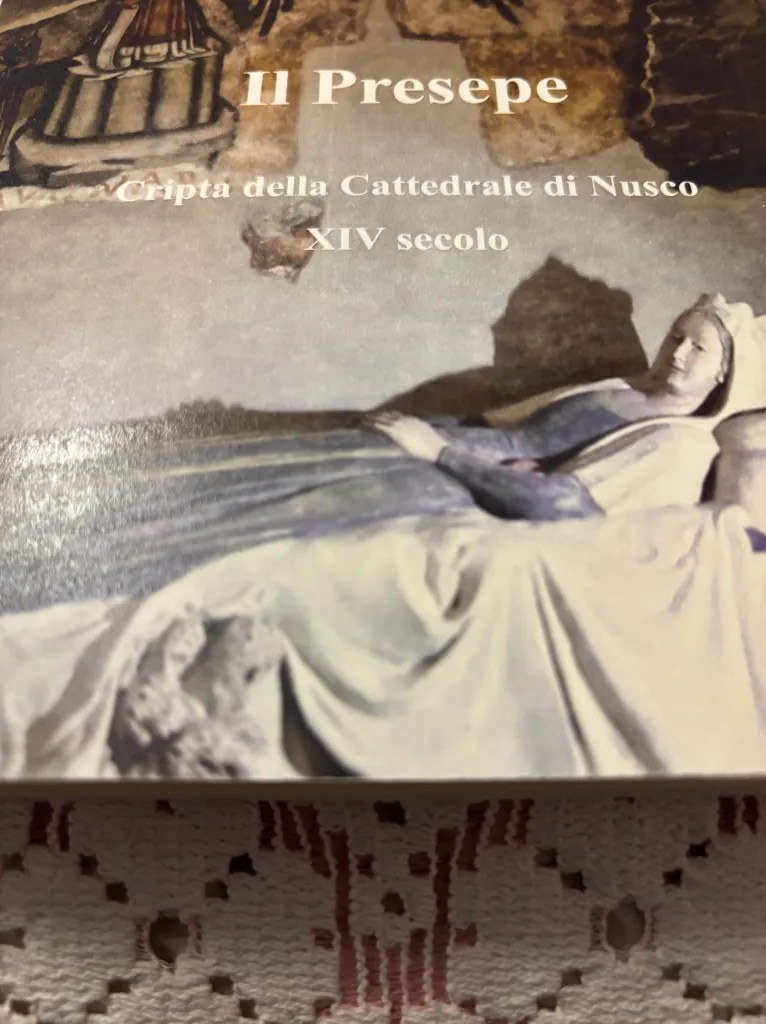
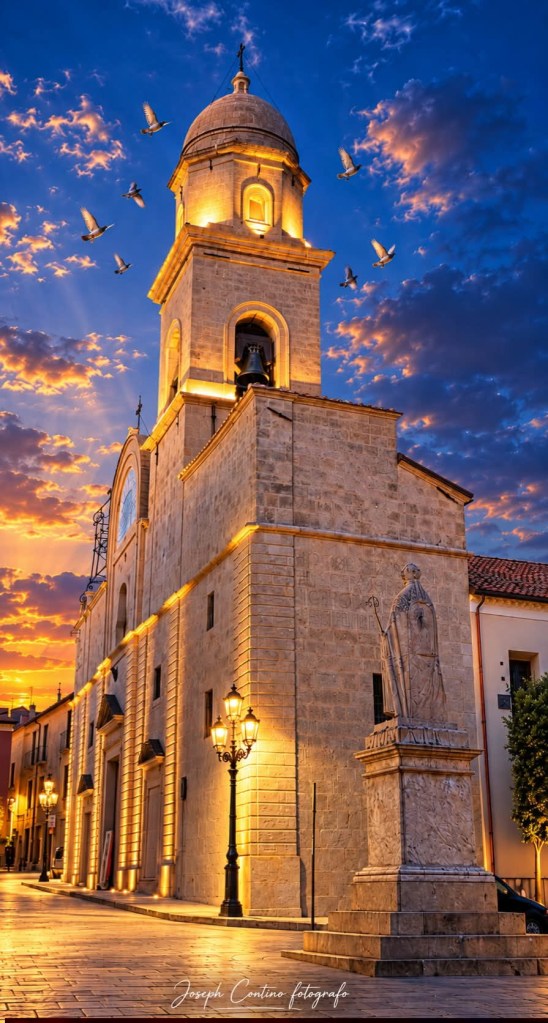
Our trip started in Nusco which is located in the Avellino province of Campania, Italy, is a historic medieval town widely celebrated as the balcony of the Irpina Valley due to its sweeping panoramic views from a high limestone ridge. We stayed at a beautiful small hotel, called the Hotel Colucci, which I highly recommend. At the heart of its ancient center sits the Cathedral of Saint Amato, a medieval historic landmark tightly woven into the identity of the town. Originally commissioned around 1050 by Amato, the first Bishop of Nusco who famously distributed his wealth to the poor, the church was initially dedicated to Saint Stephen. Following Amato’s death in 1093 and his subsequent canonization, the cathedral was renamed in his honor to house his legacy and treasury. While the building has evolved through centuries of modifications and earthquake restorations, it retains a striking 33-meter bell tower, a composite stone façade, and an original Romanesque crypt that stands as a lasting symbol of the town. This year an ancient crypt and frescos were discovered that date back to the 14th Century . It’s of the Blessed Mother waiting to give birth to the baby Jesus.
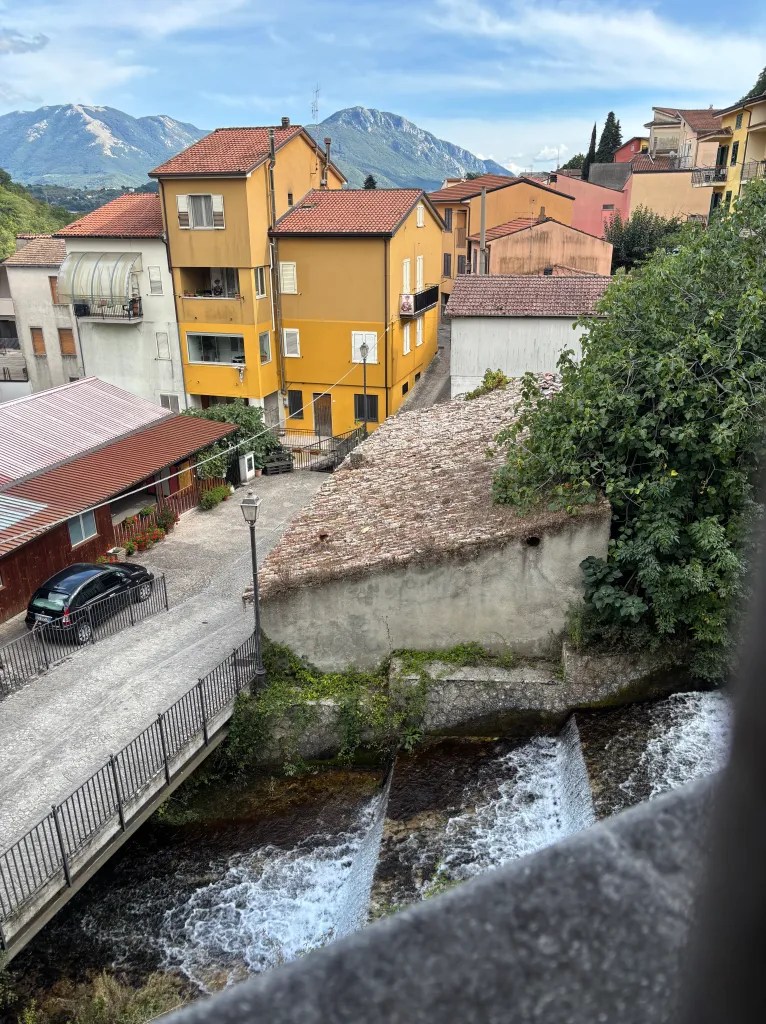
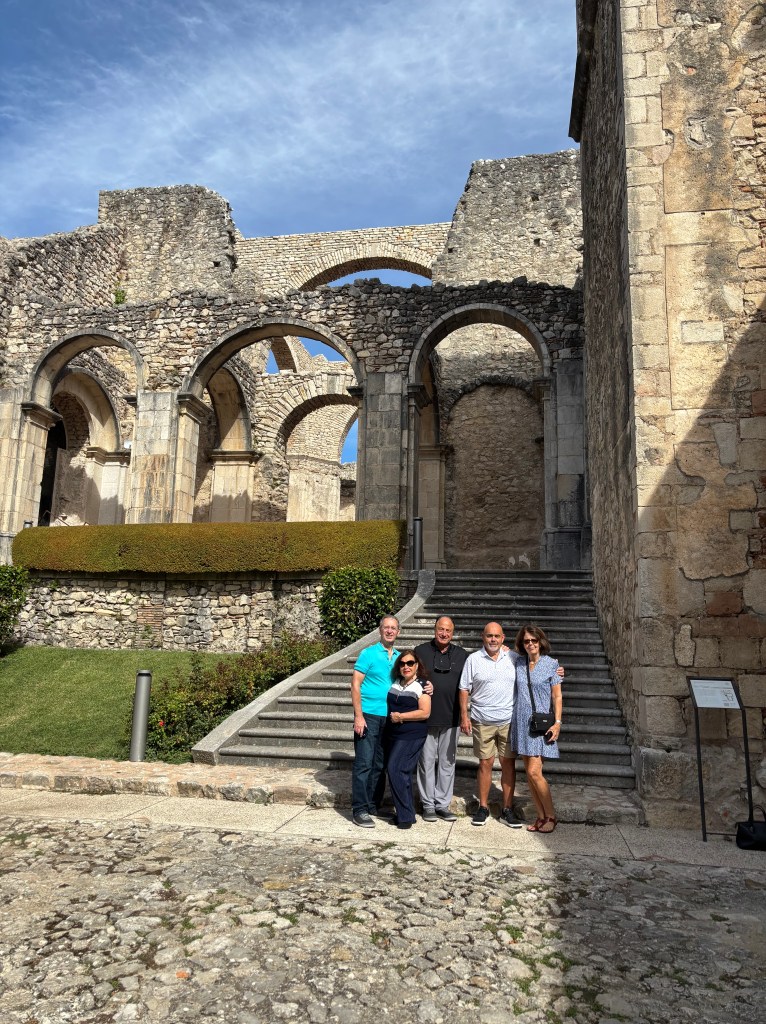
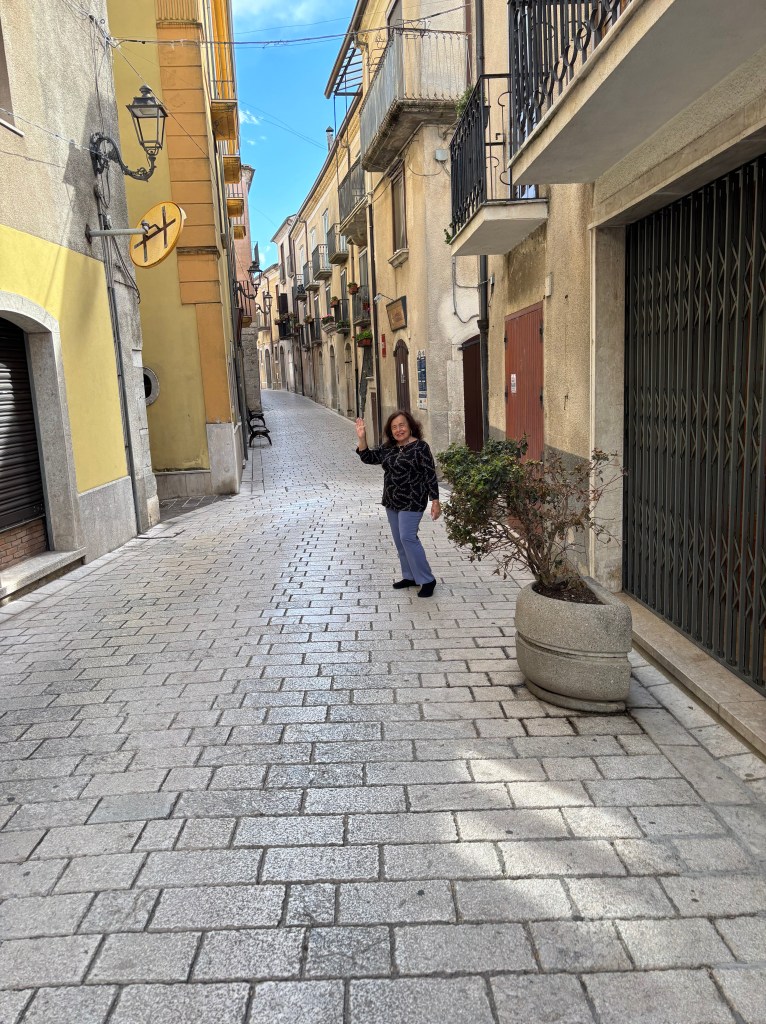
In Nusco life isn’t measured by hours but by the rhythm of shared meals and generational rituals. Away from the crowded tourist corridors, daily existence unfolds in sun-bleached piazzas and narrow stone alleyways that have watched generational history play out for centuries. It is a land of poets, of beauty, and meaning. Having suffered from wars and earthquakes, the most recent in 1980, we are reminded by exquisite poetic verses of longing, loss, and resilience.
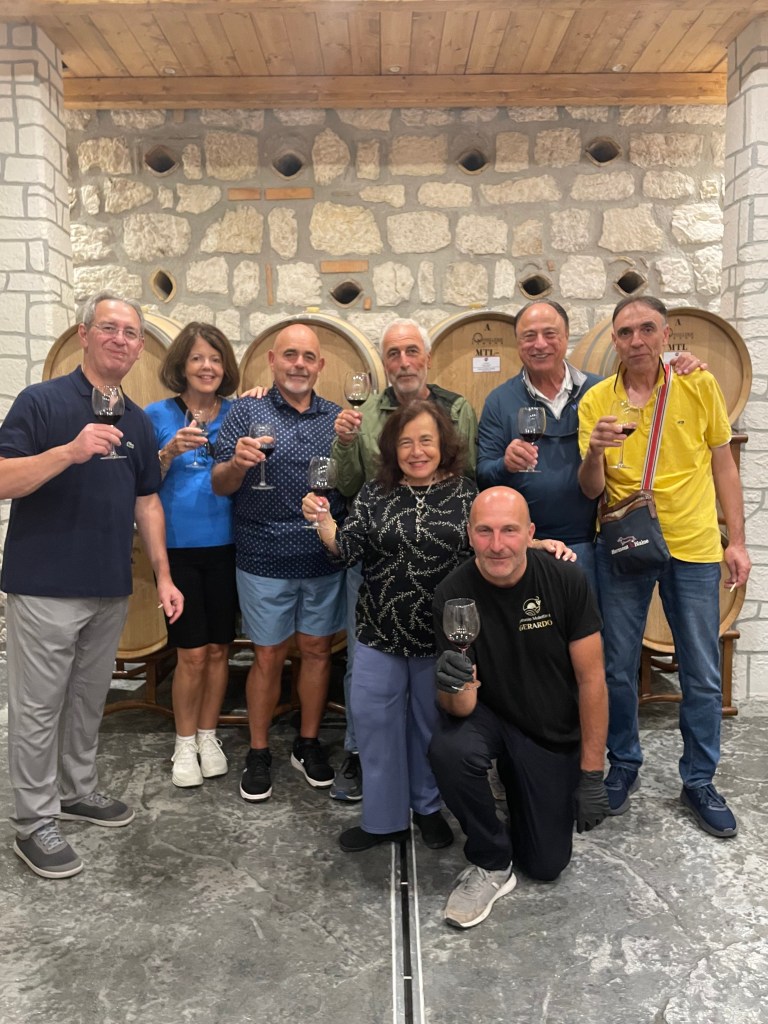
Mornings begin with the aroma of espresso pulling you down to a crowded kitchen table, followed by leisurely strolls where every shopkeeper seems to know your grandparents’ names. Nusco was named Un Borgho piu Bello in Italia. In this quiet hamlet, your Zias and Zios show affection through endless plates of handmade pasta, loud laughter, and animated stories told over bottles of local house wine. Our Cousin Gaetano Natale was an outstanding tour guide who took us to places that we had never seen around Nusco, which were the Benedictine Abbey in Goleto, the Antonio Molettieri Vineyards, and the fabulous Baiardo Springs in Montemarano. In addition, we were able to visit with cousins we hadn’t seen in many years, and stand together outside my Nonna Teresa’s old house, which my cousin now owns. It was bittersweet leaving this idyllic haven of grace and beauty but we were so grateful to have seen it again and hope to return.
Our second part of our trip was captivating Calabria. The province of Cosenza stretches across the northern half of Calabria, offering a diverse array of dramatic landscapes, medieval hill towns, and religious sanctuaries
Within the province of Cosenza, the Santuario di San Francesco di Paola stands as a powerful spiritual landmark, built over the Isca gorge in honor of Calabria’s patron saint, attracting pilgrims to its tranquil monastery, ancient cloisters, and the famed “miracle fountain”. Rising high into the interior, Sila National Park protects an expansive mountainous plateau famed for its dense pine forests, scenic lakes, and the massive, centuries-old “patriarch” trees preserved within the I Giganti della Sila nature reserve. For those exploring history, the medieval village of Altomonte serves as a cultural jewel, recognized for its striking Gothic-Angevin architecture, the 14th-century Church of Santa Maria della Consolazione, and its panoramic hilltop castle. Meanwhile, along the rugged Tyrrhenian coast, Scalea welcomes travelers with its dramatic Torre Talao—a 16th-century coastal fortress perched on a rocky promontory overlooking the sea—and a labyrinthine, cliffside historic center that cascades down toward wide sandy beaches.
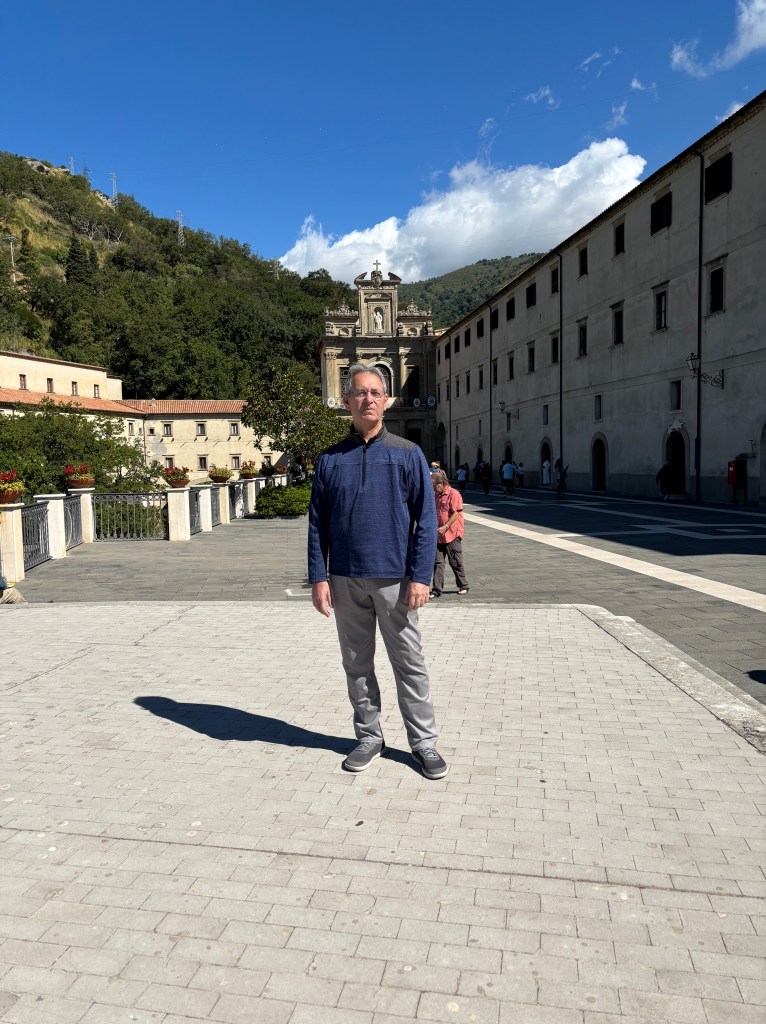
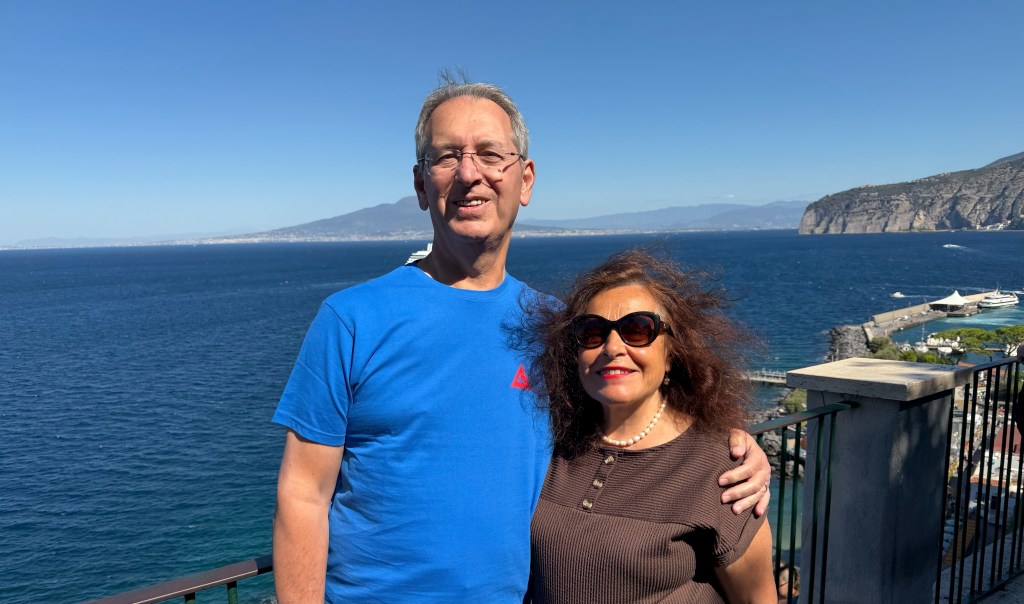
This trip is arranged yearly by the Turano Family. The Turano Family is a renowned Chicago family, known for its many bakeries. They are wonderful people who arranged every detail of our stay at the Santa Caternina Hotel in Scalea and the many tours in Calabria and Sorrento. It was a wonderful time with many great new friends.
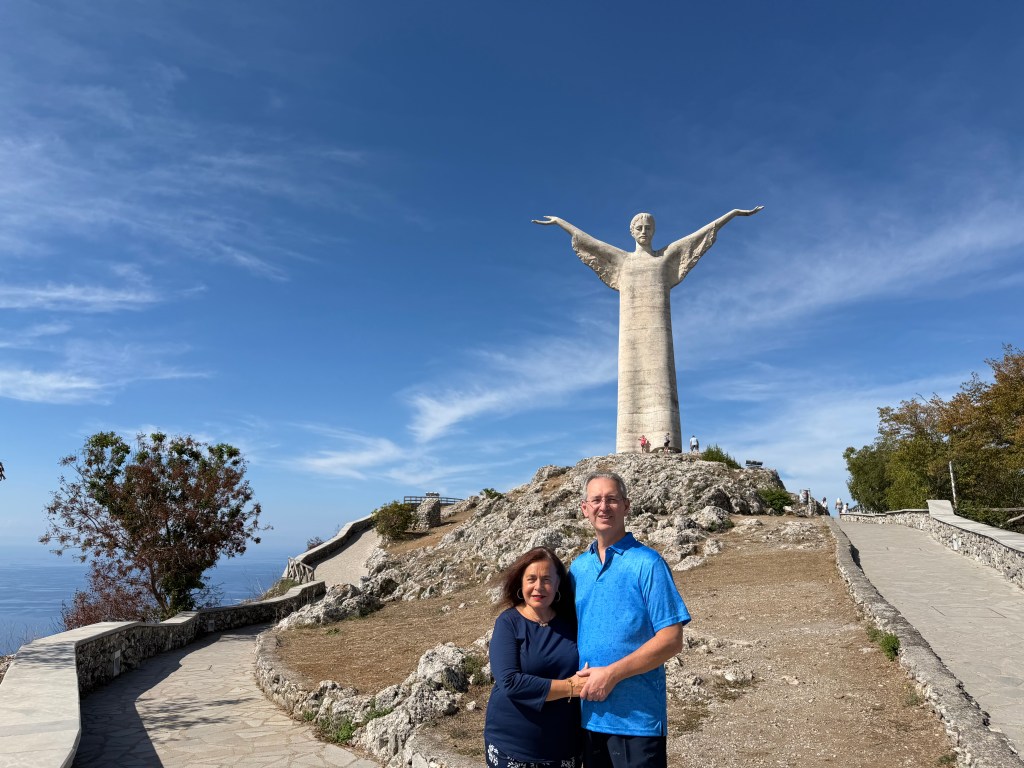
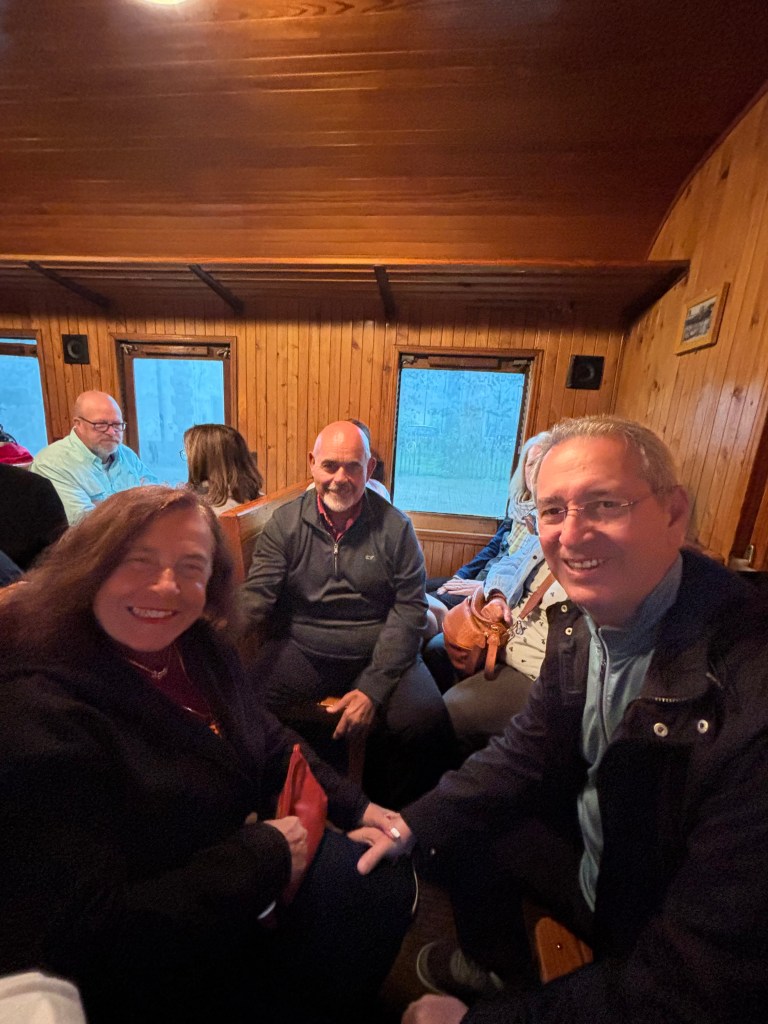
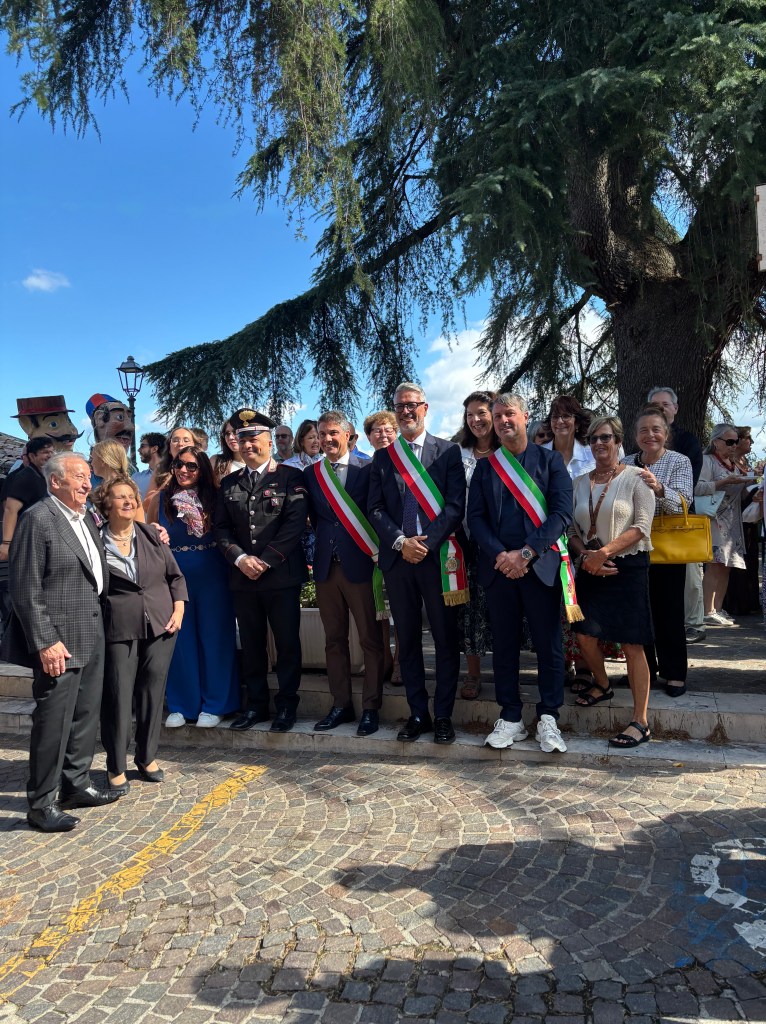
The highlight of our trip was the visit to the town of Castrolibero, which is the hometown of the Turano family. We had a spectacular gastronomic experience at a beautiful party at the Turano family home. Thank you to Tony Turano for his generosity and hospitality. Thank you also to Marie Cosentino and Lisa Turano for being wonderful planners, hosts and guides. It was just fabulous! Calabria is absolutely stunning with the bluest water with a green aura surrounding our many views of each town we visited, so very beautiful.
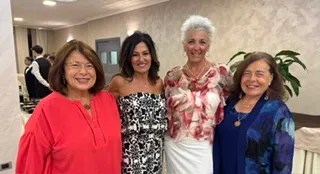
Next stop was Rome. I never tire of Rome no matter how often I visit. There is something surreal for me being in Rome, I truly feel like I’m home. Maybe I lived there in another life. The people of Rome are a dynamic mix of ancient heritage, deep-rooted local pride, and modern cultural diversity. At its core, traditional society divides between wealthy elite families and proud neighborhood communities such as the historic residents of the Trastevere district across the Tiber River. Over the centuries, the population evolved from early Latin farmers and soldiers into an expansive, multi-ethnic imperial citizenship, and later absorbed waves of migrants from southern Italy, rural Lazio, and countries around the world. Today, modern Romans maintain a vibrant, fast-paced urban identity while living among the ruins and monuments of a timeless metropolis
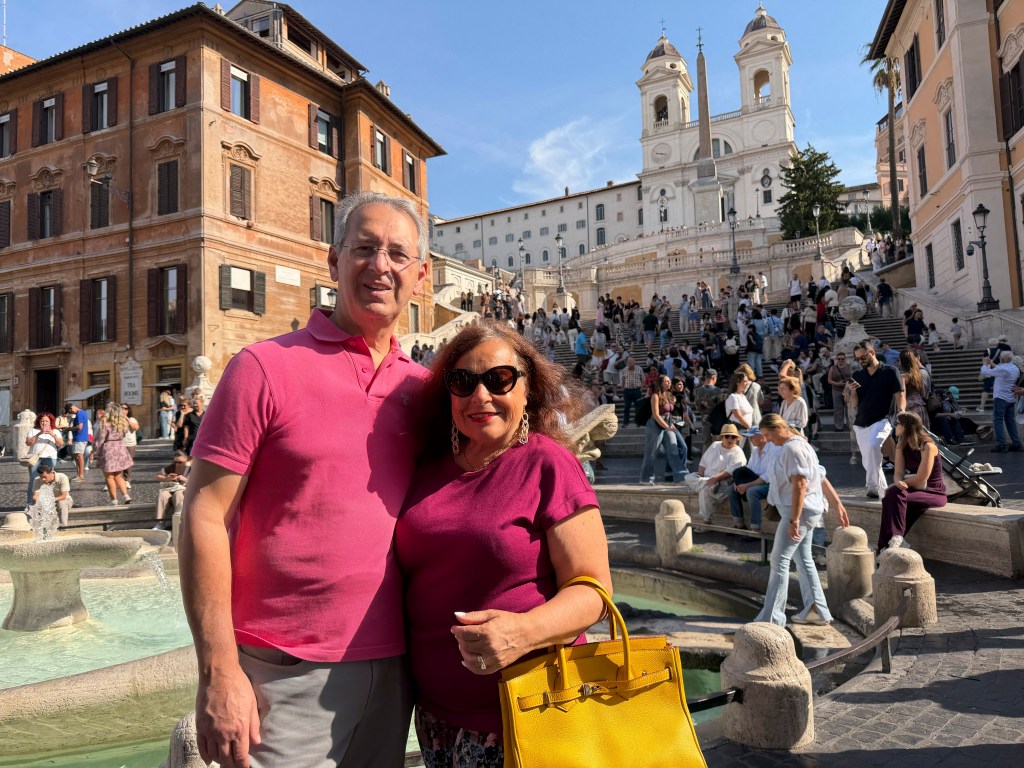
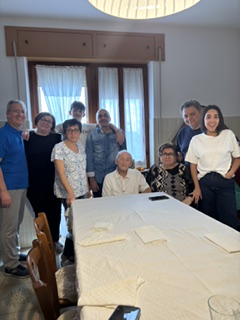
We were off to CastelFrentano, Province di Chieti for a few days. Francesco was so happy to have the opportunity to see his aunts, uncles, cousins and friends again. Such special and generous people. The Abruzzese are known as being forte e gentile, strong and kind, and it is truly a fitting description of these amazing people who live in a rich rural wonderland of plenty.
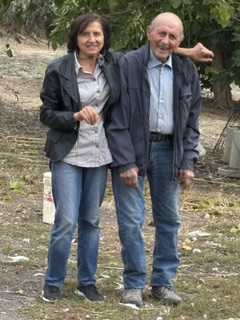
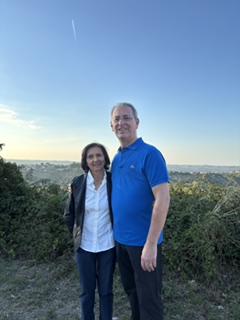
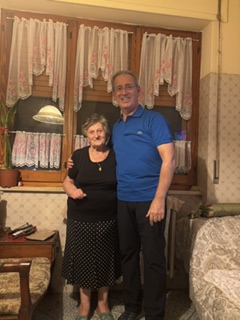
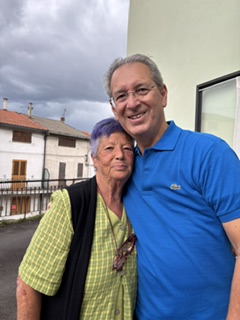
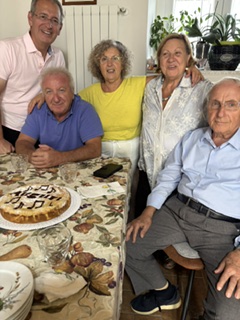
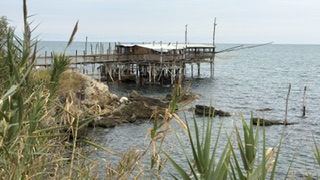
Abruzzo is a ruggedly beautiful region in Southern Italy known for its dramatic contrast between wild, mountainous national parks and its scenic Adriatic shoreline, famously called the Costa dei Trabocchi. This unique coastline gets its name from the trabocchi, ancient wooden fishing platforms that stretch out into the sea like giant pier-like structures with spindly, spider-like arms. Originally engineered centuries ago by farmers-turned-fishermen to harvest fish safely from the shore without braving the open waters, these traditional structures are now celebrated as protected historical monuments. We had a special meal of local fish with a panoramic view of the vast Adriatic. Today, many trabocchi have been meticulously restored and transformed into intimate, family-run seafood restaurants, offering travelers the unforgettable experience of dining on fresh, locally caught seafood while suspended directly over the crashing turquoise waves
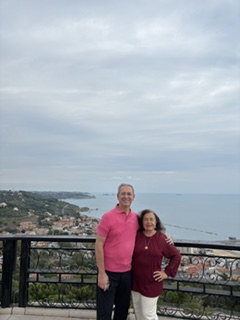
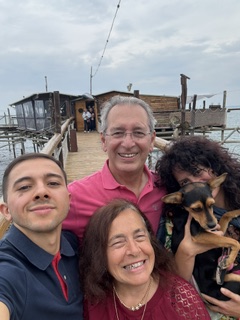
Heading home gave us a final day in Rome. A single day in Rome moves swiftly from the ancient stone ruins of the Colosseum and the neighboring Roman Forum to the soaring, unreinforced concrete dome of the Pantheon, before winding through lively public squares like Piazza Navona and finishing with a traditional coin toss at the Baroque Trevi Fountain and the iconic Pizza di Spagna. There were also stops for the famous Maritozzi donuts, Stracciatella gelato, and a plate of bugatini all’ amatriciana, all so scrumptious!
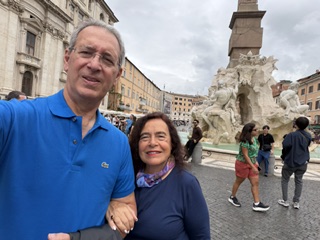
My Twenty four days in Italy were monumental, with the renewal of family ties, bonds that never break, and pieces of many multicolored threads that make up the fabric of my being. Feeling blessed and thanking God that I had this opportunity.
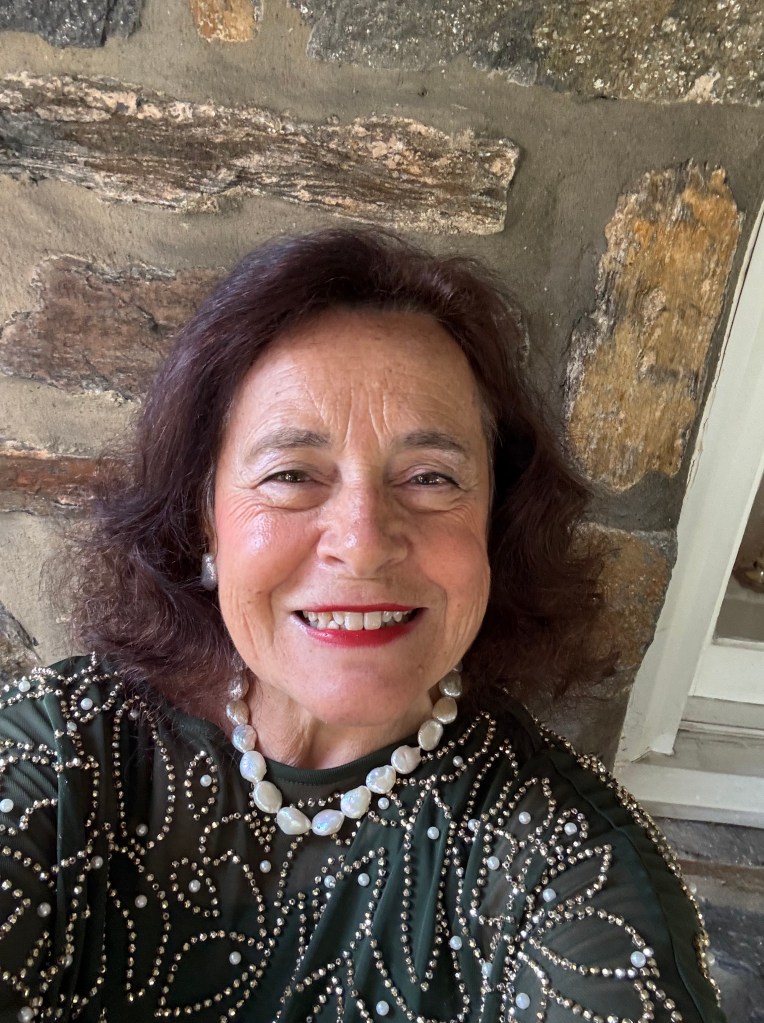
About the Author
Joanne Natale Spigonardo has many years of experience in travel to Italy, Italian art, music, literature, language, film, history, wine, and cuisine. She is a lover of nature and beauty. She is an advocate for Italian immigrant women, and the author of White Widow, which is available on Amazon.https://www.amazon.com/White-Widow-Joanne-Natale-Spigonardo/dp/B085DT65DB. For more information about Joanne please visit her LinkedIn page: https://www.linkedin.com/in/joanne-spigonardo-b4824a9/

